After the Fall
New York Times Book Review Editors' Choice
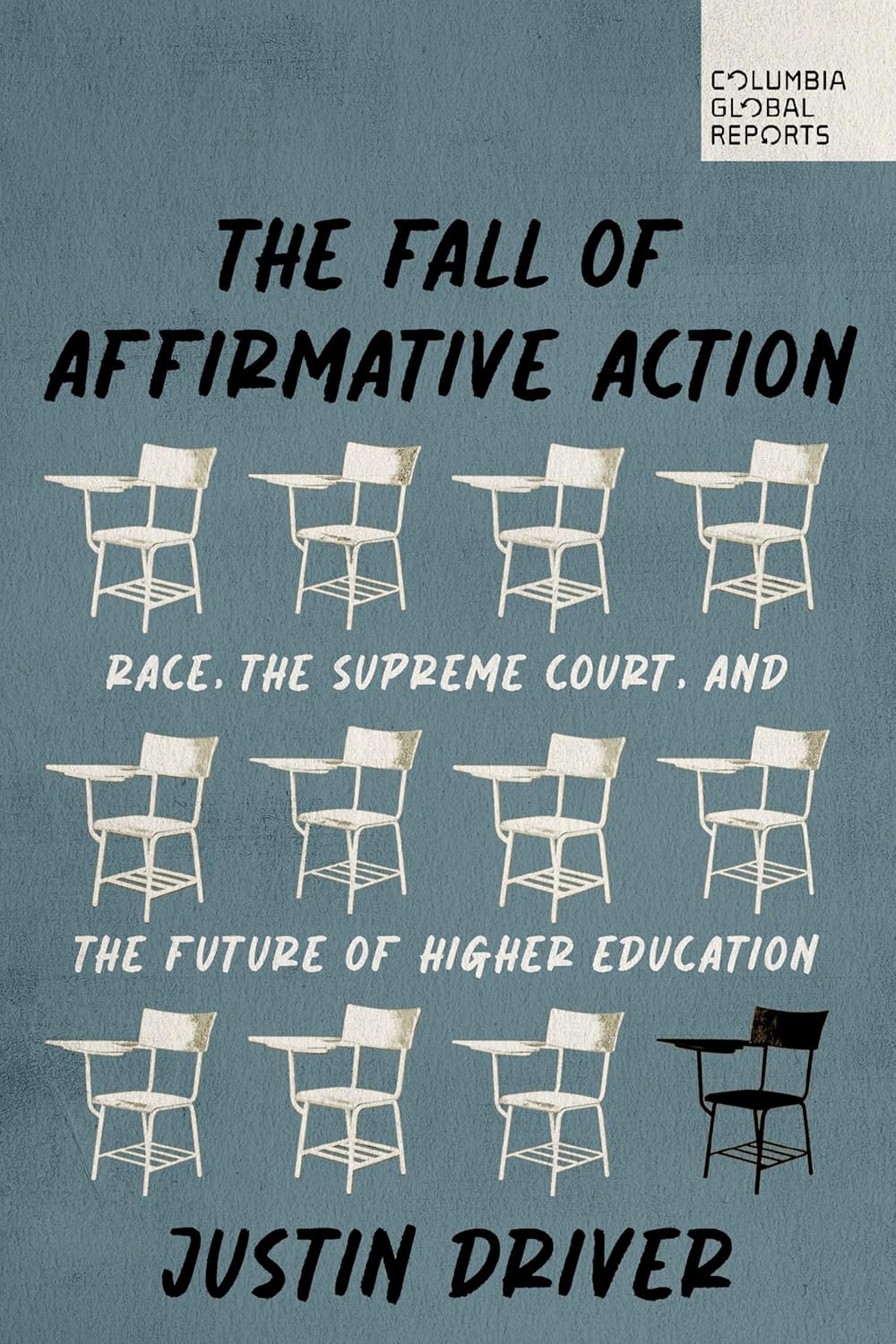
For decades, affirmative action reshaped not just American higher education but the broader society, opening doors that had been closed for centuries and transforming who entered the pathways to power. However, the Supreme Court in 2023 nullified affirmative action in Students for Fair Admissions v. Harvard, a decision hailed by the right as a triumph of conservative colourblindness and decried by the left as requiring the end of racial equity. Both sides, Yale Law School professor Justin Driver contends, are wrong.
Perversely, even when viewed through a conservative lens, the Court's decision ushers in a less desirable admissions regime. The post-SFFA model places a new premium on students of colour voicing their racial trauma in elaborate application essays, entrenching the very racial victimisation and essentialism that conservatives purport to loathe. The Trump Administration's assault on higher education has been fuelled by distorted readings of SFFA, further clouding the opinion's already opaque meaning. But SFFA, properly understood, leaves universities significant legal room to combat Trump's anti-D.E.I. onslaught by adopting innovative policies that foster diversity — including preferences for descendants of slavery, members of tribes, and applicants from blighted communities.
Far from a mere eulogy, After the Fall provides a blueprint for the future—a rallying cry for citizens to forge new paths to inclusion and push back against the notion that racial equity is doomed. The death of affirmative action, Driver insists, need not mean the death of opportunity.
New York Times Book Review Editors' Choice
For decades, affirmative action reshaped not just American higher education but the broader society, opening doors that had been closed for centuries and transforming who entered the pathways to power. However, the Supreme Court in 2023 nullified affirmative action in Students for Fair Admissions v. Harvard, a decision hailed by the right as a triumph of conservative colourblindness and decried by the left as requiring the end of racial equity. Both sides, Yale Law School professor Justin Driver contends, are wrong.
Perversely, even when viewed through a conservative lens, the Court's decision ushers in a less desirable admissions regime. The post-SFFA model places a new premium on students of colour voicing their racial trauma in elaborate application essays, entrenching the very racial victimisation and essentialism that conservatives purport to loathe. The Trump Administration's assault on higher education has been fuelled by distorted readings of SFFA, further clouding the opinion's already opaque meaning. But SFFA, properly understood, leaves universities significant legal room to combat Trump's anti-D.E.I. onslaught by adopting innovative policies that foster diversity — including preferences for descendants of slavery, members of tribes, and applicants from blighted communities.
Far from a mere eulogy, After the Fall provides a blueprint for the future—a rallying cry for citizens to forge new paths to inclusion and push back against the notion that racial equity is doomed. The death of affirmative action, Driver insists, need not mean the death of opportunity.
Original: $21.90
-65%$21.90
$7.66Description
New York Times Book Review Editors' Choice
For decades, affirmative action reshaped not just American higher education but the broader society, opening doors that had been closed for centuries and transforming who entered the pathways to power. However, the Supreme Court in 2023 nullified affirmative action in Students for Fair Admissions v. Harvard, a decision hailed by the right as a triumph of conservative colourblindness and decried by the left as requiring the end of racial equity. Both sides, Yale Law School professor Justin Driver contends, are wrong.
Perversely, even when viewed through a conservative lens, the Court's decision ushers in a less desirable admissions regime. The post-SFFA model places a new premium on students of colour voicing their racial trauma in elaborate application essays, entrenching the very racial victimisation and essentialism that conservatives purport to loathe. The Trump Administration's assault on higher education has been fuelled by distorted readings of SFFA, further clouding the opinion's already opaque meaning. But SFFA, properly understood, leaves universities significant legal room to combat Trump's anti-D.E.I. onslaught by adopting innovative policies that foster diversity — including preferences for descendants of slavery, members of tribes, and applicants from blighted communities.
Far from a mere eulogy, After the Fall provides a blueprint for the future—a rallying cry for citizens to forge new paths to inclusion and push back against the notion that racial equity is doomed. The death of affirmative action, Driver insists, need not mean the death of opportunity.