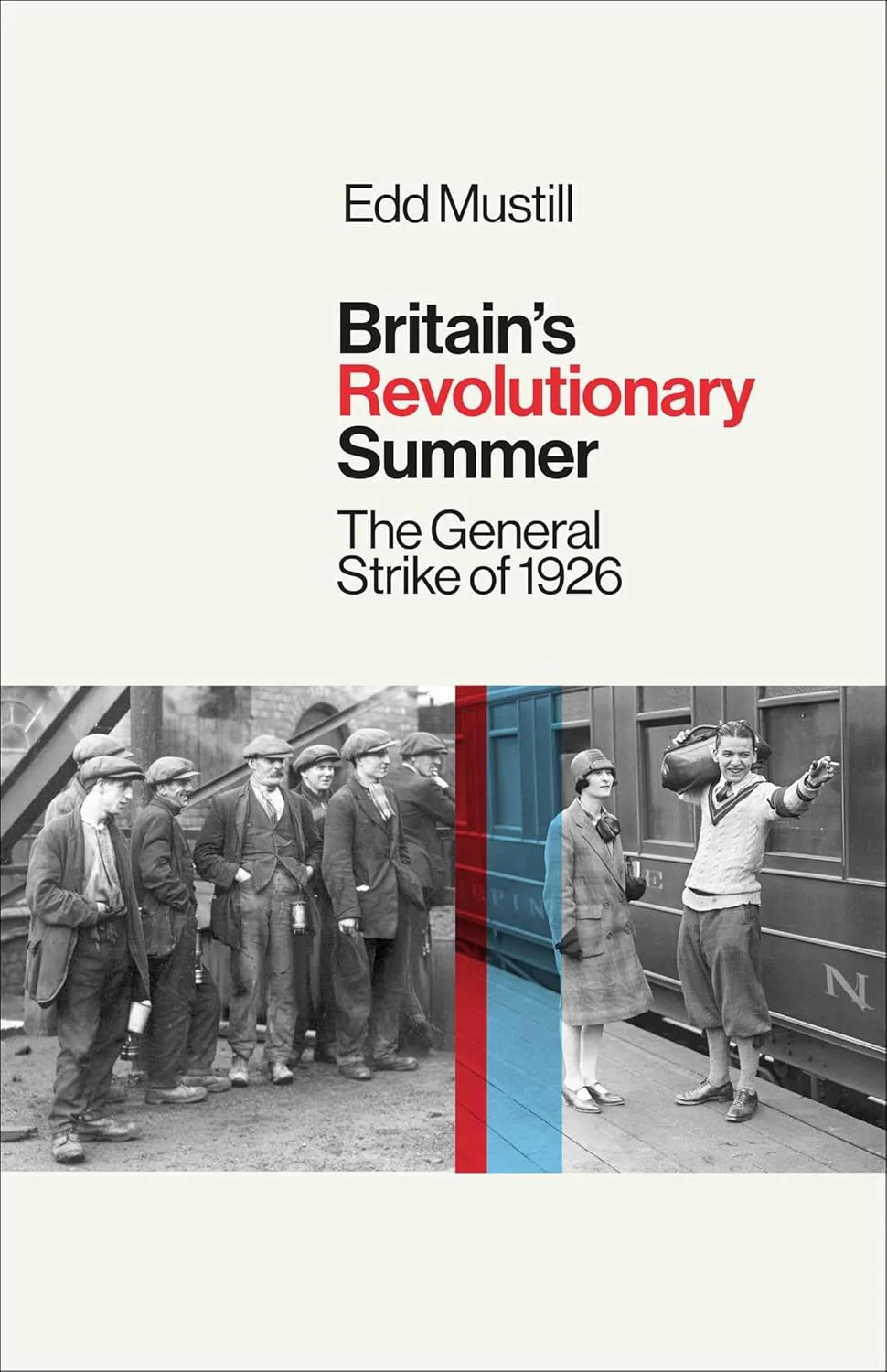
Britain's Revolutionary Summer
At midnight on 30 April 1926, coalowners locked out a million miners. In response, British workers across the country downed their tools. The General Strike had begun.
The government feared the country teetered on the brink of revolution. Trade union leaders thought they’d be shot by the end of the week. For nine days, trains, buses, and trams stopped running. By 8 May, London’s food supply had dwindled to just 48 hours’ worth. From day one, the government launched the largest strike-breaking operation in British history, recruiting over 300,000 volunteers and mobilising the army. Nine thousand people were arrested.
On the strike’s centenary, Edd Mustill tells the story of why millions of workers came out on strike, and why the government did anything it could to quash them. The 1920s in Britain were anything but a quiet decade.
At midnight on 30 April 1926, coalowners locked out a million miners. In response, British workers across the country downed their tools. The General Strike had begun.
The government feared the country teetered on the brink of revolution. Trade union leaders thought they’d be shot by the end of the week. For nine days, trains, buses, and trams stopped running. By 8 May, London’s food supply had dwindled to just 48 hours’ worth. From day one, the government launched the largest strike-breaking operation in British history, recruiting over 300,000 volunteers and mobilising the army. Nine thousand people were arrested.
On the strike’s centenary, Edd Mustill tells the story of why millions of workers came out on strike, and why the government did anything it could to quash them. The 1920s in Britain were anything but a quiet decade.
Description
At midnight on 30 April 1926, coalowners locked out a million miners. In response, British workers across the country downed their tools. The General Strike had begun.
The government feared the country teetered on the brink of revolution. Trade union leaders thought they’d be shot by the end of the week. For nine days, trains, buses, and trams stopped running. By 8 May, London’s food supply had dwindled to just 48 hours’ worth. From day one, the government launched the largest strike-breaking operation in British history, recruiting over 300,000 volunteers and mobilising the army. Nine thousand people were arrested.
On the strike’s centenary, Edd Mustill tells the story of why millions of workers came out on strike, and why the government did anything it could to quash them. The 1920s in Britain were anything but a quiet decade.