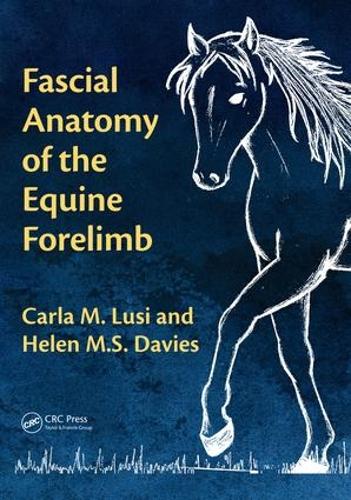
Fascial Anatomy of the Equine Forelimb
Fascial Anatomy of the Equine Forelimb by Lusi and Davies is an excellent reference resource for students and graduates alike. The number of well-defined, relevant and clear images allows quick understanding for anyone interested in the fascial anatomy of the horse. This small book is perfect to have in your bag, enabling the student or clinician to find all the information they need on-site. - Sophie Neasham, final year veterinary student, University of Veterinary Medicine in Kosice, Slovakia
Key features:
-
The first book in equine anatomy to illustrate the fascial (soft connective tissue) connections of the equine forelimb.
-
Clear, high-quality images (with reference images included on each page) help readers identify aspects of the limb photographed.
-
A brief introduction to the forelimb musculoskeletal anatomy (with images) helps readers familiarise themselves with muscles and bones portrayed in photographs.
-
Focused discussions highlight the practical applicability of the fascial connections illustrated.
-
Accompanying video clips demonstrate connectivity of the fascial system and particular lines of tension.
The first of its kind in equine anatomy, this clear, concise anatomical guide illustrates the fascial (soft connective tissue) connections of the equine forelimb. Based on dissections of fresh equine cadaver limbs, it provides a visual map for equine physical therapists, veterinarians, and horse riders, helping them to understand how pathologies, injuries, or movement abnormalities of the equine forelimb arise and/or progress from one area of the limb to another.
The fascial system is one of the primary systems acted upon by equine physiotherapists and is of increasing interest to horse riders looking to achieve structural integration and balanced movement in their horse. With this in mind, key points in each chapter highlight everyday situations in which knowledge of the fascial system may assist in understanding horse movement and injury.
This practically applicable anatomical atlas is the ideal reference for horse owners, body workers, and veterinarians alike.
Fascial Anatomy of the Equine Forelimb by Lusi and Davies is an excellent reference resource for students and graduates alike. The number of well-defined, relevant and clear images allows quick understanding for anyone interested in the fascial anatomy of the horse. This small book is perfect to have in your bag, enabling the student or clinician to find all the information they need on-site. - Sophie Neasham, final year veterinary student, University of Veterinary Medicine in Kosice, Slovakia
Key features:
-
The first book in equine anatomy to illustrate the fascial (soft connective tissue) connections of the equine forelimb.
-
Clear, high-quality images (with reference images included on each page) help readers identify aspects of the limb photographed.
-
A brief introduction to the forelimb musculoskeletal anatomy (with images) helps readers familiarise themselves with muscles and bones portrayed in photographs.
-
Focused discussions highlight the practical applicability of the fascial connections illustrated.
-
Accompanying video clips demonstrate connectivity of the fascial system and particular lines of tension.
The first of its kind in equine anatomy, this clear, concise anatomical guide illustrates the fascial (soft connective tissue) connections of the equine forelimb. Based on dissections of fresh equine cadaver limbs, it provides a visual map for equine physical therapists, veterinarians, and horse riders, helping them to understand how pathologies, injuries, or movement abnormalities of the equine forelimb arise and/or progress from one area of the limb to another.
The fascial system is one of the primary systems acted upon by equine physiotherapists and is of increasing interest to horse riders looking to achieve structural integration and balanced movement in their horse. With this in mind, key points in each chapter highlight everyday situations in which knowledge of the fascial system may assist in understanding horse movement and injury.
This practically applicable anatomical atlas is the ideal reference for horse owners, body workers, and veterinarians alike.
Original: $102.03
-65%$102.03
$35.71Description
Fascial Anatomy of the Equine Forelimb by Lusi and Davies is an excellent reference resource for students and graduates alike. The number of well-defined, relevant and clear images allows quick understanding for anyone interested in the fascial anatomy of the horse. This small book is perfect to have in your bag, enabling the student or clinician to find all the information they need on-site. - Sophie Neasham, final year veterinary student, University of Veterinary Medicine in Kosice, Slovakia
Key features:
-
The first book in equine anatomy to illustrate the fascial (soft connective tissue) connections of the equine forelimb.
-
Clear, high-quality images (with reference images included on each page) help readers identify aspects of the limb photographed.
-
A brief introduction to the forelimb musculoskeletal anatomy (with images) helps readers familiarise themselves with muscles and bones portrayed in photographs.
-
Focused discussions highlight the practical applicability of the fascial connections illustrated.
-
Accompanying video clips demonstrate connectivity of the fascial system and particular lines of tension.
The first of its kind in equine anatomy, this clear, concise anatomical guide illustrates the fascial (soft connective tissue) connections of the equine forelimb. Based on dissections of fresh equine cadaver limbs, it provides a visual map for equine physical therapists, veterinarians, and horse riders, helping them to understand how pathologies, injuries, or movement abnormalities of the equine forelimb arise and/or progress from one area of the limb to another.
The fascial system is one of the primary systems acted upon by equine physiotherapists and is of increasing interest to horse riders looking to achieve structural integration and balanced movement in their horse. With this in mind, key points in each chapter highlight everyday situations in which knowledge of the fascial system may assist in understanding horse movement and injury.
This practically applicable anatomical atlas is the ideal reference for horse owners, body workers, and veterinarians alike.