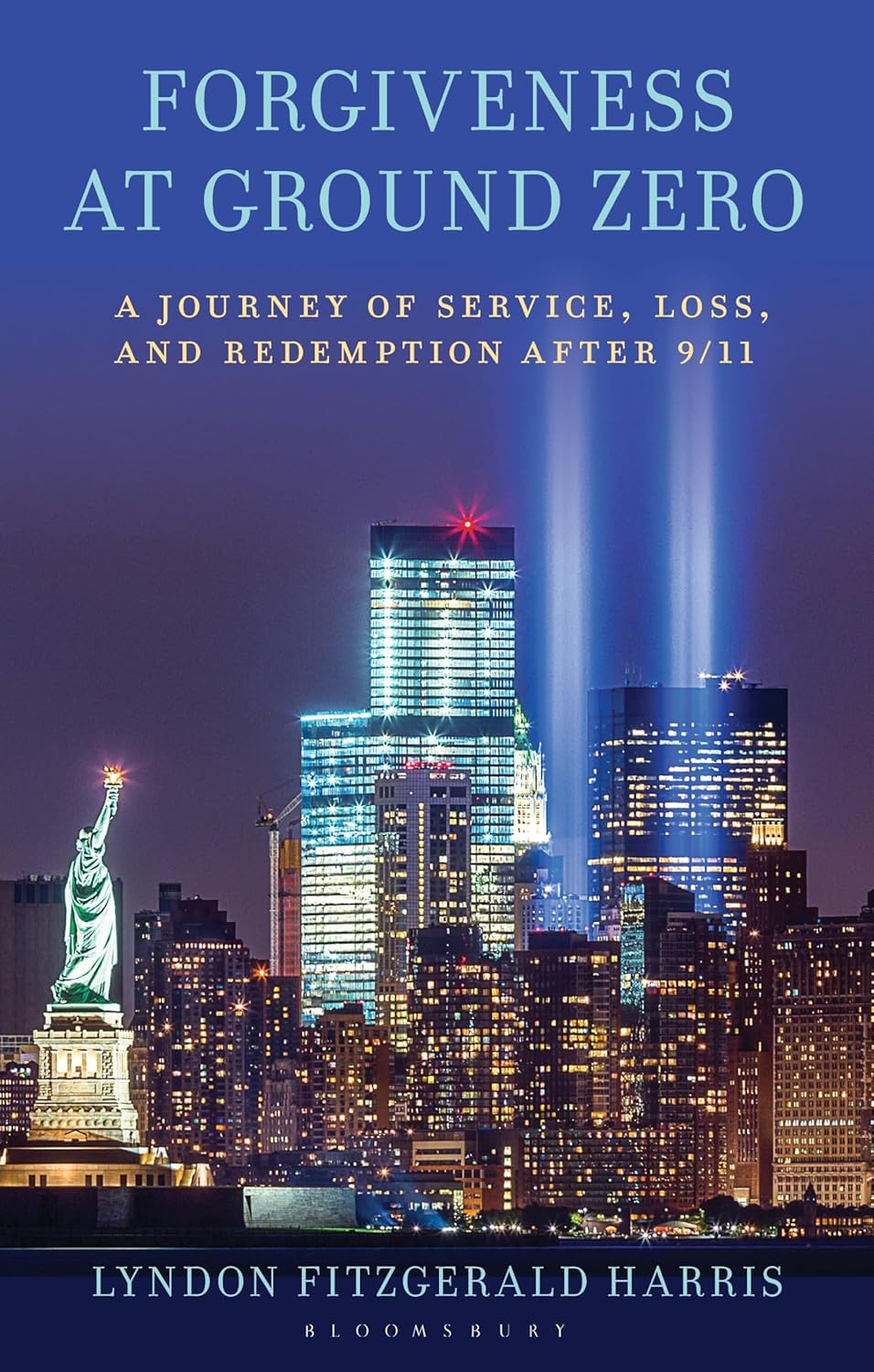
Forgiveness at Ground Zero
On the morning after September 11, 2001, Rev. Lyndon Harris pushed through smoke and ash toward St. Paul’s Chapel, just blocks from the World Trade Center. He expected ruin. Instead, the historic chapel stood—scarred but intact—and soon became a sanctuary for exhausted, grieving recovery workers at Ground Zero.
For close to a year, Harris led an extraordinary, volunteer-driven ministry that provided food, rest, prayer, and human connection to those labouring day and night on “the Pile.” St. Paul’s became known worldwide as “the little chapel that stood,” a symbol of hope amid devastation.
But when the chapel closed in 2002, Harris’s own life unravelled. Years of conflict and resistance within his church left him overwhelmed by anger, resentment, and a desire for retribution. He ultimately lost his faith, left New York, and entered a long, private struggle with grief and disillusionment.
Forgiveness at Ground Zero is not only a firsthand account of one of 9/11’s most enduring symbols, but a deeply personal story of what happens after the cameras leave. Harris traces his journey from idealistic small-town priest to Ground Zero leader, through spiritual collapse, and finally toward an unexpected healing grounded in forgiveness.
Drawing on pioneering research developed with Stanford psychologist Dr. Frederic Luskin, cofounder of the Forgiveness Project, Harris explores forgiveness not as “forgive and forget,” but as a rigorous, transformative practice essential for recovery after trauma. His story speaks to first responders, faith leaders, and anyone carrying unresolved pain—offering rare insight into the emotional cost of service, the limits of institutional faith, and the resilience required to truly move forward.
On the morning after September 11, 2001, Rev. Lyndon Harris pushed through smoke and ash toward St. Paul’s Chapel, just blocks from the World Trade Center. He expected ruin. Instead, the historic chapel stood—scarred but intact—and soon became a sanctuary for exhausted, grieving recovery workers at Ground Zero.
For close to a year, Harris led an extraordinary, volunteer-driven ministry that provided food, rest, prayer, and human connection to those labouring day and night on “the Pile.” St. Paul’s became known worldwide as “the little chapel that stood,” a symbol of hope amid devastation.
But when the chapel closed in 2002, Harris’s own life unravelled. Years of conflict and resistance within his church left him overwhelmed by anger, resentment, and a desire for retribution. He ultimately lost his faith, left New York, and entered a long, private struggle with grief and disillusionment.
Forgiveness at Ground Zero is not only a firsthand account of one of 9/11’s most enduring symbols, but a deeply personal story of what happens after the cameras leave. Harris traces his journey from idealistic small-town priest to Ground Zero leader, through spiritual collapse, and finally toward an unexpected healing grounded in forgiveness.
Drawing on pioneering research developed with Stanford psychologist Dr. Frederic Luskin, cofounder of the Forgiveness Project, Harris explores forgiveness not as “forgive and forget,” but as a rigorous, transformative practice essential for recovery after trauma. His story speaks to first responders, faith leaders, and anyone carrying unresolved pain—offering rare insight into the emotional cost of service, the limits of institutional faith, and the resilience required to truly move forward.
Description
On the morning after September 11, 2001, Rev. Lyndon Harris pushed through smoke and ash toward St. Paul’s Chapel, just blocks from the World Trade Center. He expected ruin. Instead, the historic chapel stood—scarred but intact—and soon became a sanctuary for exhausted, grieving recovery workers at Ground Zero.
For close to a year, Harris led an extraordinary, volunteer-driven ministry that provided food, rest, prayer, and human connection to those labouring day and night on “the Pile.” St. Paul’s became known worldwide as “the little chapel that stood,” a symbol of hope amid devastation.
But when the chapel closed in 2002, Harris’s own life unravelled. Years of conflict and resistance within his church left him overwhelmed by anger, resentment, and a desire for retribution. He ultimately lost his faith, left New York, and entered a long, private struggle with grief and disillusionment.
Forgiveness at Ground Zero is not only a firsthand account of one of 9/11’s most enduring symbols, but a deeply personal story of what happens after the cameras leave. Harris traces his journey from idealistic small-town priest to Ground Zero leader, through spiritual collapse, and finally toward an unexpected healing grounded in forgiveness.
Drawing on pioneering research developed with Stanford psychologist Dr. Frederic Luskin, cofounder of the Forgiveness Project, Harris explores forgiveness not as “forgive and forget,” but as a rigorous, transformative practice essential for recovery after trauma. His story speaks to first responders, faith leaders, and anyone carrying unresolved pain—offering rare insight into the emotional cost of service, the limits of institutional faith, and the resilience required to truly move forward.