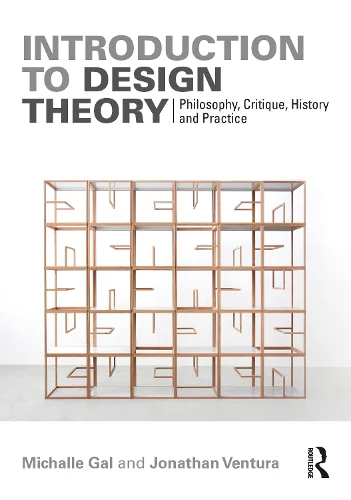
Introduction to Design Theory
Introduction to Design Theory introduces a comprehensive, systematic, and didactic outline of the discourse of design. Designed both as a course book and a source for research, this textbook methodically covers the central concepts of design theory, definitions of design, its historical milestones, and its relations to culture, industry, body, ecology, language, society, gender, and ideology.
This book demonstrates a shift towards the importance of the sociocultural context in which products are manufactured and embedded, showcasing design theory as an emerging sub-discipline of design. It is unique in its practice-based approach and its broad perception of design.
It offers an in-depth understanding of the central concepts such as "form" and "function", "theory" and "practice", through a discussion of key case studies and historical examples. These include the advent of the view of design in antiquity, the introduction of mass production to modernist design, or the ideological shifts in design in the mid-twentieth century. The book also provides analytical tools for further dissection and learning in practice.
With a focus on a combination of several theoretical knowledge foundations — aesthetics and philosophy, critical theories, cultural studies, design history, and design anthropology — the reader is enabled to approach design as a central pivot around which contemporary culture revolves, reflecting, reaffirming, or challenging social and cultural structures.
Aimed at undergraduate and postgraduate students, as well as teachers and scholars from across the design disciplines, Introduction to Design Theory invites readers to engage with design from an interdisciplinary perspective, departing from the traditional academic compartmentalisation of practice, history, and philosophy.
Introduction to Design Theory introduces a comprehensive, systematic, and didactic outline of the discourse of design. Designed both as a course book and a source for research, this textbook methodically covers the central concepts of design theory, definitions of design, its historical milestones, and its relations to culture, industry, body, ecology, language, society, gender, and ideology.
This book demonstrates a shift towards the importance of the sociocultural context in which products are manufactured and embedded, showcasing design theory as an emerging sub-discipline of design. It is unique in its practice-based approach and its broad perception of design.
It offers an in-depth understanding of the central concepts such as "form" and "function", "theory" and "practice", through a discussion of key case studies and historical examples. These include the advent of the view of design in antiquity, the introduction of mass production to modernist design, or the ideological shifts in design in the mid-twentieth century. The book also provides analytical tools for further dissection and learning in practice.
With a focus on a combination of several theoretical knowledge foundations — aesthetics and philosophy, critical theories, cultural studies, design history, and design anthropology — the reader is enabled to approach design as a central pivot around which contemporary culture revolves, reflecting, reaffirming, or challenging social and cultural structures.
Aimed at undergraduate and postgraduate students, as well as teachers and scholars from across the design disciplines, Introduction to Design Theory invites readers to engage with design from an interdisciplinary perspective, departing from the traditional academic compartmentalisation of practice, history, and philosophy.
Original: $50.14
-65%$50.14
$17.55Description
Introduction to Design Theory introduces a comprehensive, systematic, and didactic outline of the discourse of design. Designed both as a course book and a source for research, this textbook methodically covers the central concepts of design theory, definitions of design, its historical milestones, and its relations to culture, industry, body, ecology, language, society, gender, and ideology.
This book demonstrates a shift towards the importance of the sociocultural context in which products are manufactured and embedded, showcasing design theory as an emerging sub-discipline of design. It is unique in its practice-based approach and its broad perception of design.
It offers an in-depth understanding of the central concepts such as "form" and "function", "theory" and "practice", through a discussion of key case studies and historical examples. These include the advent of the view of design in antiquity, the introduction of mass production to modernist design, or the ideological shifts in design in the mid-twentieth century. The book also provides analytical tools for further dissection and learning in practice.
With a focus on a combination of several theoretical knowledge foundations — aesthetics and philosophy, critical theories, cultural studies, design history, and design anthropology — the reader is enabled to approach design as a central pivot around which contemporary culture revolves, reflecting, reaffirming, or challenging social and cultural structures.
Aimed at undergraduate and postgraduate students, as well as teachers and scholars from across the design disciplines, Introduction to Design Theory invites readers to engage with design from an interdisciplinary perspective, departing from the traditional academic compartmentalisation of practice, history, and philosophy.