Practical Data Science for Information Professionals
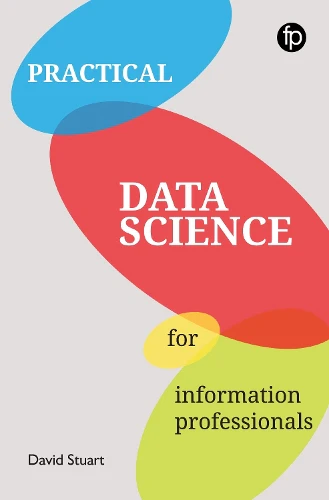
Practical Data Science for Information Professionals provides an accessible introduction to a potentially complex field, offering readers an overview of data science and a framework for its application. It includes detailed examples and analyses of real data sets to explore the basics of the subject in three principal areas: clustering and social network analysis, predictions and forecasts, and text analysis and mining.
Alongside highlighting a wealth of user-friendly data science tools, the book also features example code in two of the most popular programming languages, R and Python, demonstrating how easily an information professional can move beyond the graphical user interface and achieve significant analysis with just a few lines of code.
After reading, readers will understand:
- The growing importance of data science
- The role of the information professional in data science
- Some of the most important tools and methods that information professionals can use
Bringing together the growing importance of data science and the increasing role of information professionals in the management and use of data, Practical Data Science for Information Professionals provides a practical introduction to the topic specifically designed for the information community. It will appeal to librarians and information professionals worldwide, from large academic libraries to small research libraries. By focusing on the application of open source software, it aims to reduce barriers for readers to apply the lessons learned within.
Practical Data Science for Information Professionals provides an accessible introduction to a potentially complex field, offering readers an overview of data science and a framework for its application. It includes detailed examples and analyses of real data sets to explore the basics of the subject in three principal areas: clustering and social network analysis, predictions and forecasts, and text analysis and mining.
Alongside highlighting a wealth of user-friendly data science tools, the book also features example code in two of the most popular programming languages, R and Python, demonstrating how easily an information professional can move beyond the graphical user interface and achieve significant analysis with just a few lines of code.
After reading, readers will understand:
- The growing importance of data science
- The role of the information professional in data science
- Some of the most important tools and methods that information professionals can use
Bringing together the growing importance of data science and the increasing role of information professionals in the management and use of data, Practical Data Science for Information Professionals provides a practical introduction to the topic specifically designed for the information community. It will appeal to librarians and information professionals worldwide, from large academic libraries to small research libraries. By focusing on the application of open source software, it aims to reduce barriers for readers to apply the lessons learned within.
Description
Practical Data Science for Information Professionals provides an accessible introduction to a potentially complex field, offering readers an overview of data science and a framework for its application. It includes detailed examples and analyses of real data sets to explore the basics of the subject in three principal areas: clustering and social network analysis, predictions and forecasts, and text analysis and mining.
Alongside highlighting a wealth of user-friendly data science tools, the book also features example code in two of the most popular programming languages, R and Python, demonstrating how easily an information professional can move beyond the graphical user interface and achieve significant analysis with just a few lines of code.
After reading, readers will understand:
- The growing importance of data science
- The role of the information professional in data science
- Some of the most important tools and methods that information professionals can use
Bringing together the growing importance of data science and the increasing role of information professionals in the management and use of data, Practical Data Science for Information Professionals provides a practical introduction to the topic specifically designed for the information community. It will appeal to librarians and information professionals worldwide, from large academic libraries to small research libraries. By focusing on the application of open source software, it aims to reduce barriers for readers to apply the lessons learned within.