The House of the Seven Gables
This enduring novel of crime and retribution vividly reflects the social and moral values of New England in the 1840s.
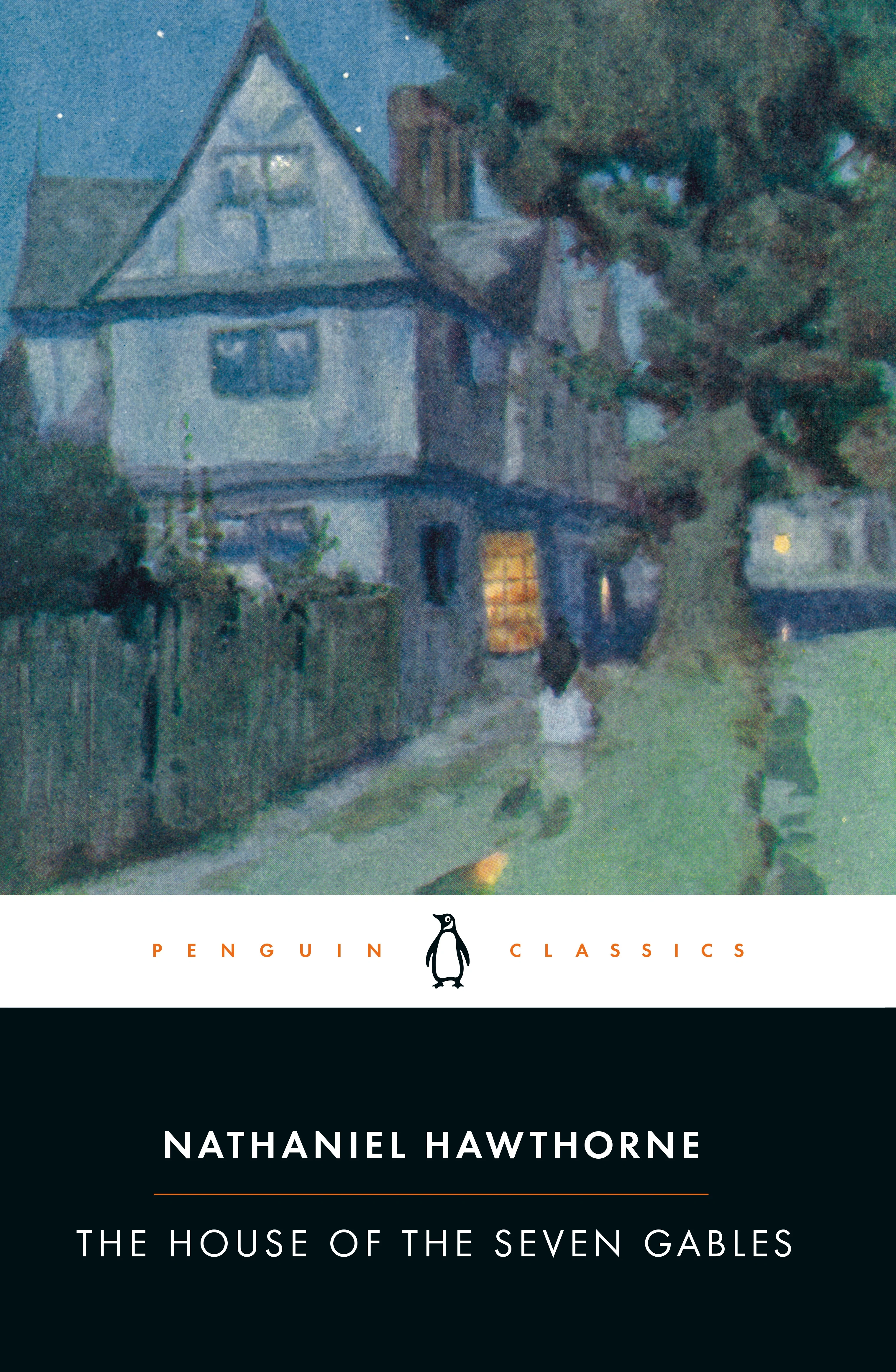
The House of the Seven Gables is Nathaniel Hawthorne's gripping psychological drama concerning the Pyncheon family, a dynasty founded on pious theft, who live for generations under a dead man's curse until their house is finally exorcised by love.
Hawthorne, by birth and education, was instilled with the Puritan belief in America's limitless promise. Yet—partly due to blemishes on his own family history—he also saw the darker side of the young nation. Like his twentieth-century heirs, William Faulkner and F. Scott Fitzgerald, Hawthorne peered behind propriety's façade and exposed the true human condition.
This enduring novel of crime and retribution vividly reflects the social and moral values of New England in the 1840s.
The House of the Seven Gables is Nathaniel Hawthorne's gripping psychological drama concerning the Pyncheon family, a dynasty founded on pious theft, who live for generations under a dead man's curse until their house is finally exorcised by love.
Hawthorne, by birth and education, was instilled with the Puritan belief in America's limitless promise. Yet—partly due to blemishes on his own family history—he also saw the darker side of the young nation. Like his twentieth-century heirs, William Faulkner and F. Scott Fitzgerald, Hawthorne peered behind propriety's façade and exposed the true human condition.
Description
This enduring novel of crime and retribution vividly reflects the social and moral values of New England in the 1840s.
The House of the Seven Gables is Nathaniel Hawthorne's gripping psychological drama concerning the Pyncheon family, a dynasty founded on pious theft, who live for generations under a dead man's curse until their house is finally exorcised by love.
Hawthorne, by birth and education, was instilled with the Puritan belief in America's limitless promise. Yet—partly due to blemishes on his own family history—he also saw the darker side of the young nation. Like his twentieth-century heirs, William Faulkner and F. Scott Fitzgerald, Hawthorne peered behind propriety's façade and exposed the true human condition.